
Brush Removal
Brush Removal Before Fire Season: A Timeline for Mid-Valley Properties
Brush removal is most effective and safest when done before the Willamette Valley dries out and fire restrictions take hold. Oregon's 2026 fire season began on May 8, which means the ideal heavy-cutting window for Mid-Valley properties runs earlier in the year. This timeline shows when to plan, cut, and dispose of brush around Salem and the surrounding Marion and Polk county areas.
Mid-Valley fire season and why timing matters

Fire season is the period when dry vegetation ignites and spreads readily, and the Oregon Department of Forestry declares it each year. In 2026, that declaration took effect on June 15. Once conditions reach high or extreme fire danger, open debris burning stops and powered-equipment use gets restricted on many lands. Brush that was easy to cut and dispose of in spring becomes both a fire hazard and a disposal problem in mid-summer. Timing the work early avoids both.
Late winter to early spring: plan and cut
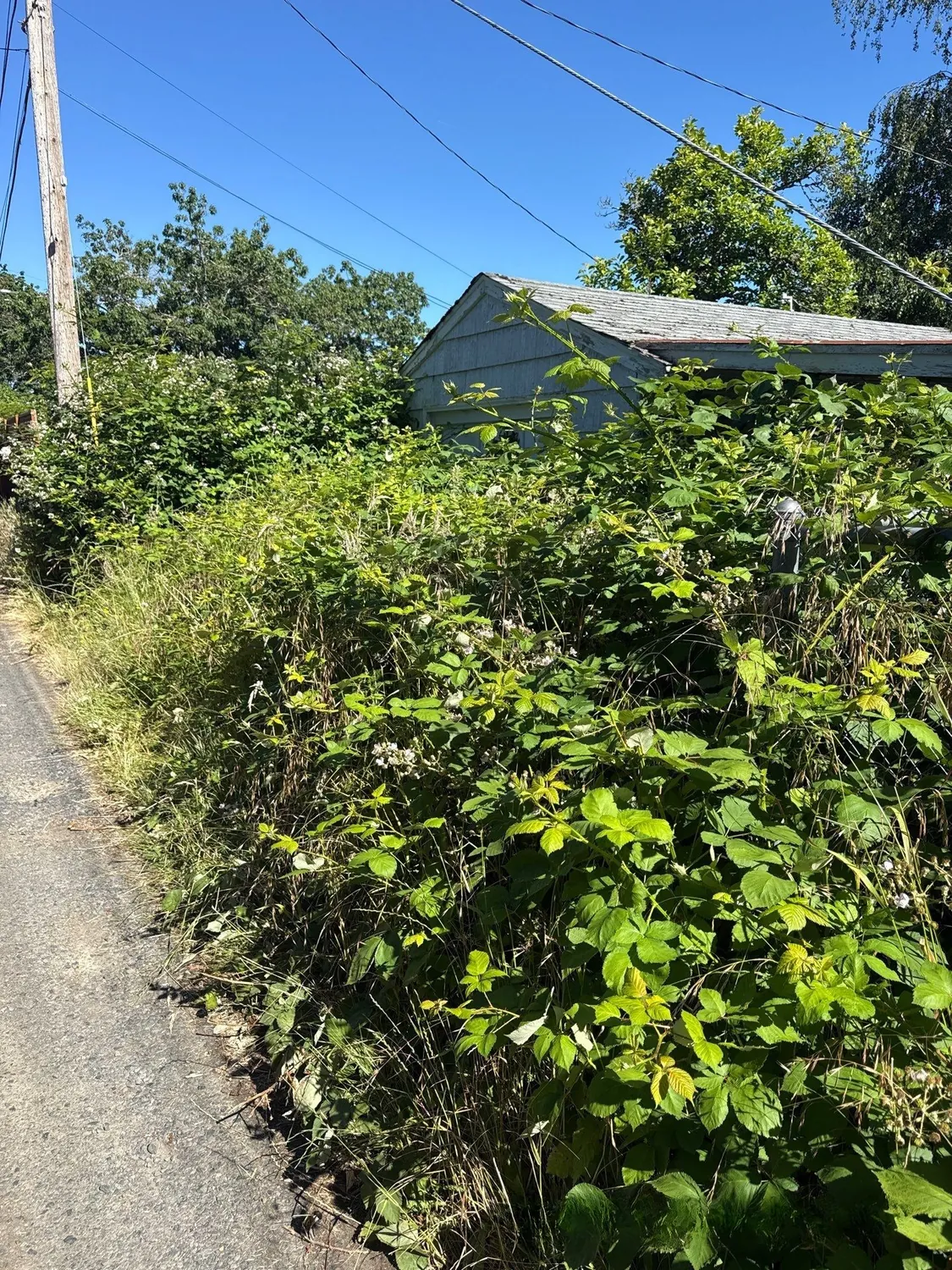
Late winter through early spring is the strongest window for heavy brush and root removal. Soil holds moisture, which loosens roots and makes extraction cleaner. Cutting before green-up also removes growth before it thickens. This is the season to tackle the largest jobs: dense brush, blackberry thickets, and overgrown property edges. Blackberry canes are best cut in spring when soil is moist, which weakens the plant ahead of follow-up work.
Spring: cut and create defensible space
Spring is the time to finish fuel reduction and shape defensible space before the dry months. Remove ladder fuels beneath trees, thin brush in the intermediate and extended zones, and stage cut material for disposal. Finishing this work in spring means a property enters fire season already defended, rather than scrambling once restrictions arrive.
Early summer: final cleanup before restrictions tighten
Early summer is the last reliable window for lighter cleanup before peak danger. With the 2026 season already declared in May, remaining work should focus on finishing touches rather than major cutting: raking fine fuels, tidying edges, and hauling staged debris. Heavy machine work grows riskier as vegetation cures and spark risk climbs.
When does it become too late to cut brush safely?
Brush cutting becomes hazardous once conditions turn hot, dry, and windy, and once fire danger reaches high or extreme. At that point, powered equipment can throw sparks into cured fuel, and burning is prohibited outright. During those stretches, the safest course is to pause heavy work and confirm current restrictions with the local fire district before using any spark-producing equipment.
What to prioritize when time is short
When the calendar has already reached fire season, priority shifts to the highest-impact work closest to structures. The first five feet around the house matters most, so removing brush, dead vegetation, and combustible material from that band comes first. Next comes breaking the ladder-fuel connection under nearby trees, then thinning brush that forms a continuous path toward the house.
Distant acreage matters less than the ground near buildings when time and conditions are limited. A property owner who cannot address everything before peak danger protects the most by working outward from the structure rather than starting at the property line. Heavy machine work on far corners can wait for a safer window; the near-home zone cannot.
Signs your property needs attention this season
Several visible conditions signal that a property carries too much fuel heading into the dry months. Dense brush or blackberry within the first thirty feet of the house, dead vegetation accumulating along fence lines and edges, low tree limbs meeting shrubs below them, and overgrown corners no one has touched in years all raise the risk. Each represents fuel that a summer fire can use to reach structures.
Newly purchased and inherited rural parcels tend to show the most neglect, since fuel builds up over the years a property sits unmanaged. A walk of the land before summer, noting brush near buildings, ladder fuels under trees, and continuous vegetation paths, tells an owner where to direct limited time. The nearer the fuel sits to the house, the higher its priority for removal.
Get ahead of the next fire season
Noosh removes brush and reduces fuel on properties across Salem, Keizer, and the Marion and Polk county areas. Our crews handle heavy cutting, ladder-fuel removal, and debris disposal on the right schedule for the season. Request a brush removal estimate today.
Frequently Asked Questions
When is fire season in the Willamette Valley?
Fire season is declared each year by the Oregon Department of Forestry based on conditions, and it typically runs through the dry summer and early fall. In 2026, the season took effect on May 8 and continues until the State Forester terminates it.
Is it safe to cut brush with machinery in summer?
It carries added risk. Powered equipment can throw sparks into dry vegetation during high fire danger, and some lands restrict its use. Lighter hand cleanup is safer in summer, and heavy machine cutting is better scheduled before peak danger.
What should I do with the brush after removal?
Options include chipping, hauling, and, when allowed, burning. Open debris burning is prohibited during high and extreme fire danger and banned year-round inside the Salem-Keizer Urban Growth Boundary, so chipping and hauling are the reliable summer choices.
Need help with brush removal?
Noosh Stump Removal handles brush removal across Salem and the Mid-Willamette Valley. See our brush removal service or get an estimate for your property.