Wildfire Mitigation · Polk County, OR
Wildfire Mitigation in Polk County, OR for Homes and Land
Wildfire conditions change considerably across Polk County. Forested Coast Range properties can face dense trees and understory growth, while land farther east includes grassland, farms, and open rural acreage. Wildfire mitigation in Polk County, OR, should account for those differences.


Get an Estimate
Tell us about your property. We actually call you back.
Noosh Stump Removal provides wildfire mitigation services across Polk County. We reduce vegetation and other fuels around homes, outbuildings, access routes, and rural properties. Each property receives attention based on what is growing there and how vegetation connects to nearby structures.
Wildfire Fuels Vary Across Polk County
A single fuel-reduction strategy will not fit every part of the county. The landscape transitions from Coast Range conifer forest in the west toward agricultural grassland east of Highway 99W.
Wooded properties may have low limbs, brush beneath trees, dead material, and other ladder fuels that can carry flames upward. Rural properties closer to agricultural areas may need greater attention around dry grass, fence lines, field edges, and unmanaged vegetation.
Where Should Fuel Reduction Start on Your Property?
Start close to your home, then look outward at the vegetation that could create a continuous path toward it. The Oregon State Fire Marshal places particular importance on the first five feet around structures and recommends managing fuels farther into the surrounding property.
We look for conditions such as:
- Brush growing beneath or between trees
- Dead branches and accumulated plant material
- Low tree limbs that create ladder fuels
- Dense blackberry or Scotch broom growth
- Tall grass near structures and access routes
- Vegetation around sheds, fences, and other improvements
Dense areas may call for land clearing and brush removal. Other properties need selective thinning and pruning instead of broad clearing.
Polk County Properties Can Have Access Challenges
Wildfire preparation also includes looking at how your property can be reached. Rural Polk County includes narrow, winding, and unpaved roads, particularly as development moves toward forested areas.
The Oregon State Fire Marshal includes emergency access in its defensible-space guidance. Driveway vegetation, low branches, and overgrowth can affect the usable space along an access route.
This makes fuel reduction around a rural driveway different from routine landscape cleanup. We can assess vegetation along the route while reviewing fuel conditions closer to your home.
An Audit Can Help Set Your Priorities
You may have several areas that need attention without knowing which one belongs first on the list. Noosh’s Wildfire Readiness Audit provides an in-person property review and a written, prioritized report.
A certified mitigation specialist and former wildland firefighter conducts the audit. The report ranks hazards so you can separate immediate priorities from items that can be addressed later.
Structural vulnerabilities can also be identified during the audit. Our home hardening recommendations cover those priorities, while our field services focus on vegetation and landscape-related fuel reduction.
West Salem and the Eola Hills Need Their Own Approach
The Polk County side of West Salem sits beside the Eola Hills, which rise directly west of the community. Vegetation changes from river-bottom woodland toward oak savanna, oak, maple, Douglas fir, vineyards, and open ground as properties extend into the hills.
Salem Fire Department serves West Salem, while Salem Suburban Rural Fire Protection District covers unincorporated pockets. A small fire was also documented in the wooded north end of Wallace Marine Park in August 2024.
Homes on larger lots may have several fuel types within one property. Grass can connect with shrubs, brush can grow below trees, and unmanaged vegetation can extend toward fences or structures.
Fuel reduction in this area should follow the vegetation found on your property rather than treating every section alike. Removing ladder fuels, separating dense growth, and managing vegetation near structures can break up continuous fuel paths. Properties extending toward the Eola Hills may also need attention along wooded edges, slopes, driveways, and less-managed sections of land.
Fuel Management Continues After the First Clearing
Brush, grass, and low limbs grow back. A property that has been cleared once can gradually develop new fuel connections as vegetation returns.
Our vegetation management services address this regrowth through scheduled thinning, ladder-fuel removal, and dead-material cleanup. The frequency depends on what grows on your property and how quickly those areas fill back in.
This is especially useful where invasive plants or dense seasonal growth repeatedly return. Maintenance keeps previous fuel-reduction areas from becoming overgrown again.
Why Choose Noosh
Firefighter-Led Assessment
A certified mitigation specialist and former wildland firefighter evaluates the property in person, reading how fire actually moves through the specific vegetation on site. The plan targets real ignition points based on that assessment.
Twenty Years in the Mid-Valley
Two decades of work across Marion and Polk counties built familiarity with the vegetation, seasonal fire behavior, and terrain specific to this region. Every recommendation on the report reflects that regional experience.
Full Service From Audit to Cleanup
One team handles the Wildfire Readiness Audit, the clearing, the brush removal, and the follow-up maintenance. A property owner works with a single point of contact from start to finish.
Our Work
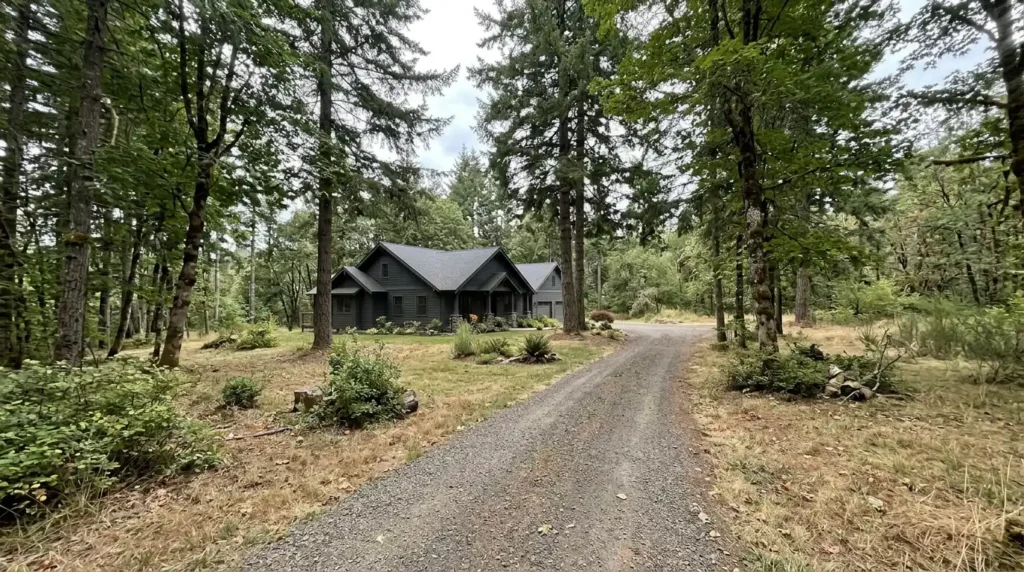
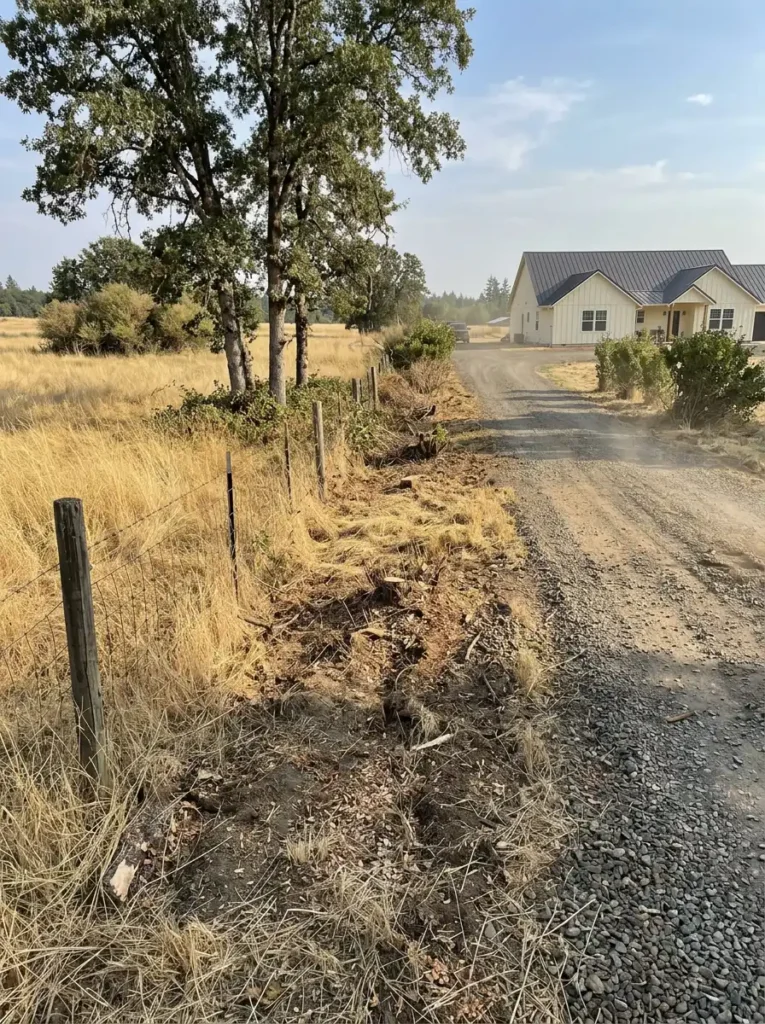
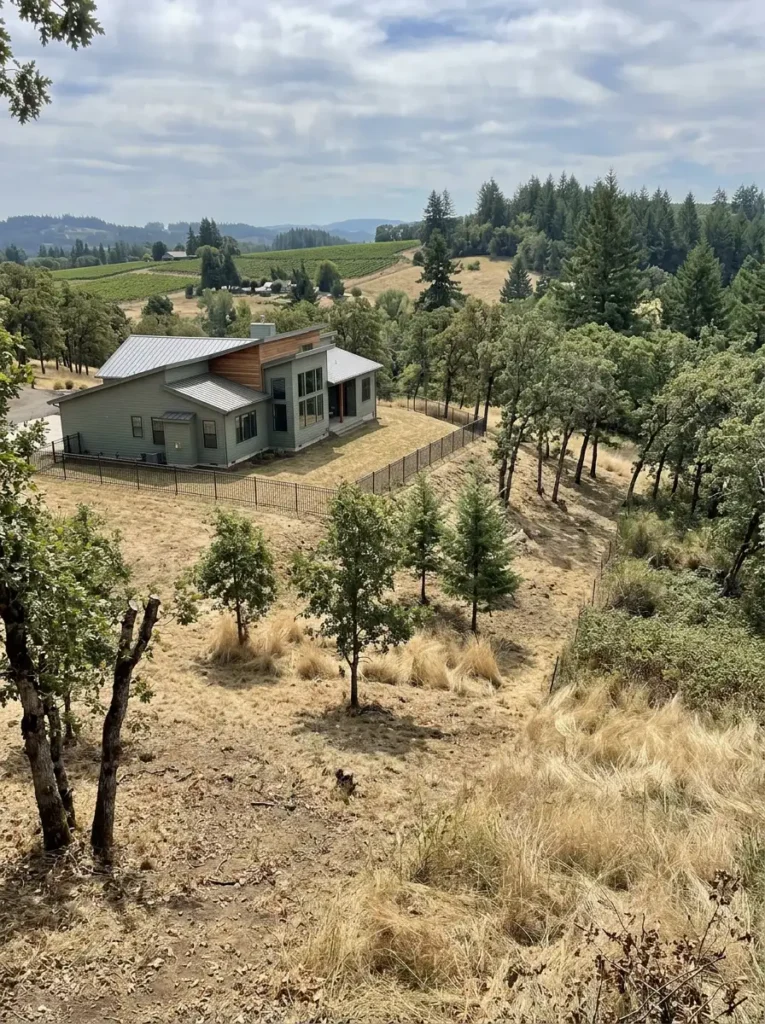
Recent wildfire mitigation work around Polk County and the Mid-Valley.
Our Clients Rate Us a Perfect 5 Stars


Wildfire Mitigation Across Polk County
FAQs About Wildfire Mitigation in Polk County
Polk County properties range from wooded acreage to homes beside farms and open grassland. These questions cover several practical issues property owners may face when planning fuel reduction.
What is defensible space?
Defensible space is the managed area between a structure and surrounding vegetation. Oregon State Fire Marshal guidance divides this area into zones, starting with the first five feet immediately around a structure.
Why are Scotch broom and blackberry concerns for wildfire mitigation?
Dense Scotch broom can form woody thickets, while blackberry can create thick masses of canes and dead growth. Managing these plants can reduce continuous vegetation that may carry fire across your property.
How far from my house should I manage vegetation?
Oregon State Fire Marshal guidance begins with a noncombustible area within five feet of your home. Vegetation management then continues through intermediate and extended areas, with conditions on your property influencing the specific priorities.
Does every Polk County property need the same type of clearing?
No. A forested property near the Coast Range may need different fuel reduction from acreage surrounded by grassland or agricultural land. Vegetation, terrain, structures, and access all affect what should be addressed.
Related Services
Wildfire Readiness Audit
Noosh's Wildfire Readiness Audit gives Salem, OR homeowners a prioritized, written wildfire risk report from a certified specialist and former wildland firefighter.Learn More Wildfire Readiness AuditDefensible Space
Noosh builds and maintains wildfire defensible space zones for Salem, OR homes across the Mid-Willamette Valley and WUI, guided by a former wildland firefighter.Learn More Defensible SpaceHome Hardening
Noosh identifies wildfire home hardening priorities for Salem, OR properties across the Mid-Willamette Valley and WUI as part of a Wildfire Readiness Audit.Learn More Home HardeningVegetation Management
Noosh provides ongoing wildfire vegetation management for Salem, OR properties across the Mid-Willamette Valley and WUI, scheduled by a former wildland firefighter.Learn More Vegetation ManagementBuild a Fuel-Reduction Plan Around Your Land
Your property may need brush removed from one section while another area calls for pruning or recurring vegetation control. Starting with the highest-priority fuel connections helps direct your time and budget toward the areas that need attention first.
Noosh Stump Removal provides wildfire mitigation in Polk County, OR, for residential and rural properties. Call or text (503) 836-8815 to arrange a property visit and request an estimate.