
Blackberry Removal · Salem, OR
Blackberry Removal Services in Salem, OR
Blackberry you cut back last year is already pushing new growth. The root system stayed in the ground, and a single season is enough for canes to reclaim everything you cleared. Surface cutting buys time, but it does not solve the problem. That is why we do not mow. We eradicate.


Get an Estimate
Tell us about your project. We actually call you back.
Noosh Stump Removal provides blackberry eradication in Salem, Oregon, and nearby communities. Our team follows OSU guidelines on the removal and prevention of invasive Himalayan blackberry, targeting root systems and scheduling follow-up monitoring to catch regrowth before it re-establishes.
Problems Blackberry Causes on Mid-Valley Properties
Himalayan blackberry is classified as a high-risk invasive species in Oregon. It spreads quickly, dominates any area left unmanaged, and creates problems that compound every season it stays in place.
- Fence line damage: Canes wrap through chain link and wooden fence boards. They pull posts out of place and make repairs impossible until the growth is cleared. The longer it sits, the worse the fence gets underneath.
- Lost usable space: A property line that was easy to walk two years ago can become blocked off entirely. Outbuildings, storage areas, and back corners disappear behind walls of thorns. Canes grow up to 15 feet in a single season.
- Rodent and pest habitat: Dense blackberry gives rats, mice, and snakes a place to hide. The thicket offers shelter and food, so pest populations build up closer to structures than most owners realize.
- Fire fuel buildup: Dead canes and dry growth act as fuel that carries fire from the ground into tree canopies. Properties near wildland areas face higher ignition risk when blackberry is left to pile up.
- Blocked drainage: Blackberry roots and dense surface growth clog drainage ditches and low spots where water needs to flow. Standing water and soggy soil follow, adding more problems on top of the original mess. In riparian areas, blackberry contributes to stream bank erosion.
- Lower property value: Overgrown blackberry tells buyers, appraisers, and neighbors that maintenance has fallen behind. That impression alone affects how a property is seen and what it’s worth.
- Injury risk: The thorns are large enough to puncture gloves and clothing. Wounds from blackberry thorns can become infected. Pets and children who stumble into a thicket can get hurt.
Benefits of Professional Blackberry Removal
Surface clearing looks like progress, but the root system decides whether the problem comes back. Professional eradication goes after the source and includes follow-up to keep the area clear.
- Reclaimed property: Dense blackberry blocks access to fence lines, outbuildings, and large sections of land. Eradication opens that space back up for maintenance, storage, or future projects.
- Fewer repeat cleanups: Cutting canes without treating roots leads to seasonal regrowth and repeated work. Root treatment and monitoring break that cycle and reduce how often the same area needs attention.
- Lower pest pressure: Removing blackberry thickets pushes rodents and snakes out of the area. Without cover and food, those populations move elsewhere.
- Easier upkeep: Overgrown blackberry makes mowing, fence repair, and general maintenance difficult or impossible. A cleared and monitored area stays accessible season after season.
- Reduced fire risk: Blackberry plants are gasoline on a vine. Removing them is a vital part of wildfire mitigation.
Inherited and Neglected Properties
Properties that have gone unmanaged for years often have blackberry spreading across fence lines, outbuildings, and entire sections of the lot. Inherited homes, estate properties, and rentals between tenants commonly fall into this category. The longer the growth sits, the harder it is to assess what else needs attention underneath.
Eradication clears the way for the next step. Once the blackberry is gone, it is easier to see what the property actually needs and make decisions about repairs, cleanup, or sale preparation.
Why Choose Noosh
OSU-guided methods
We follow Oregon State University guidelines on Himalayan blackberry removal and prevention. That includes timing treatment for when the plant is actively moving nutrients to the roots, which makes control more effective than surface cutting at any time of year.
Follow-up monitoring included
Most contractors clear the surface and leave. Blackberry seeds stay viable in the soil for years, and new plants will grow in the same spot unless someone catches them early. We schedule monitoring visits to address regrowth before it re-establishes.
Connected to broader property work
Blackberry eradication often leads into land clearing, fence line restoration, or landscape renovation. Noosh handles all of it, so the project stays coordinated from start to finish.
Our Work
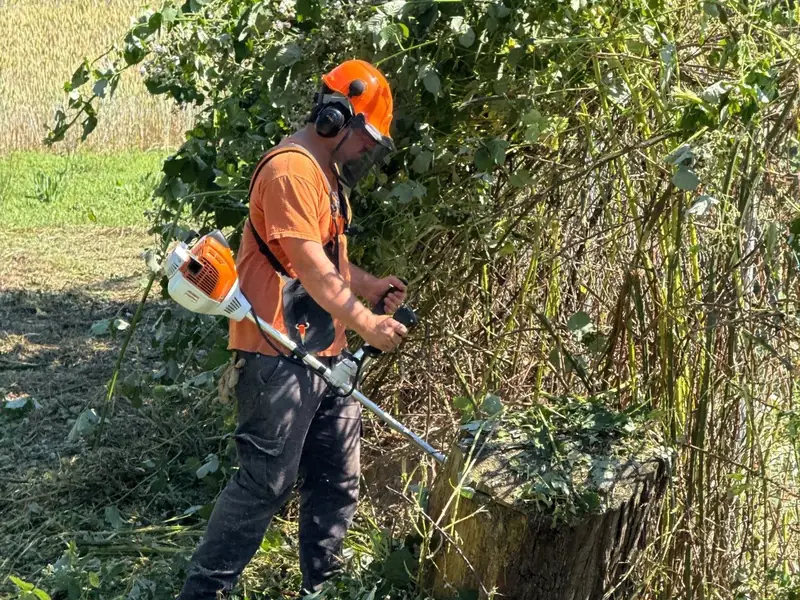
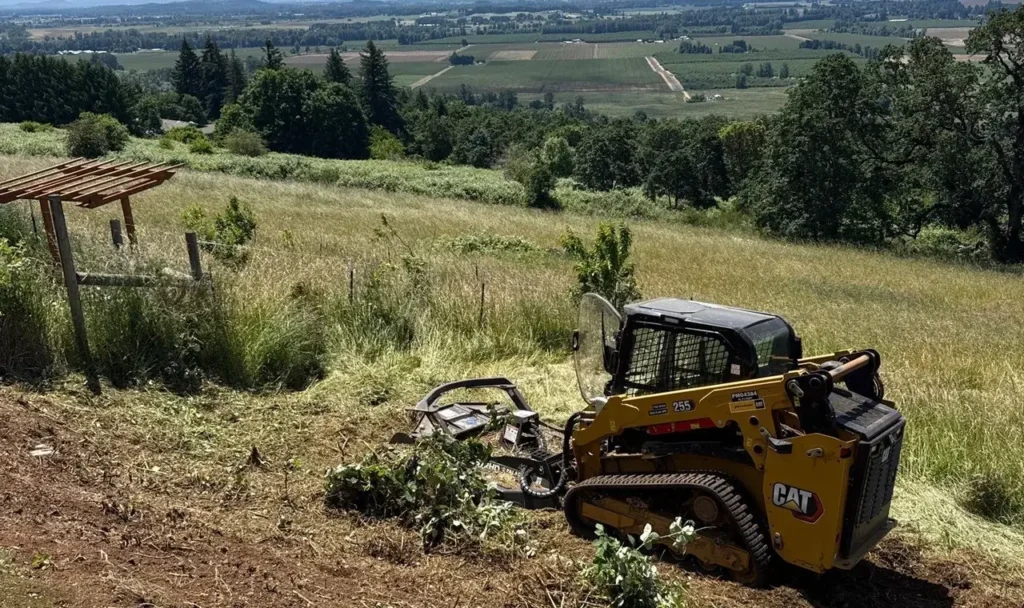
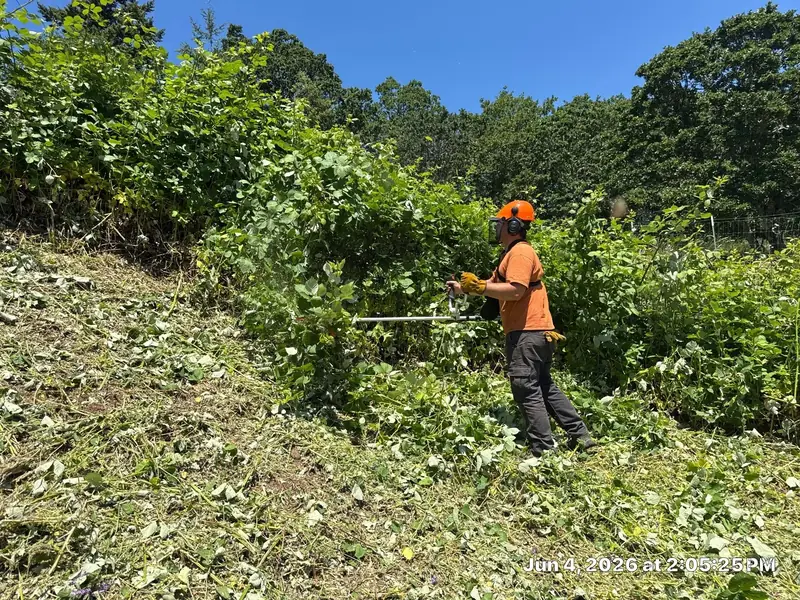
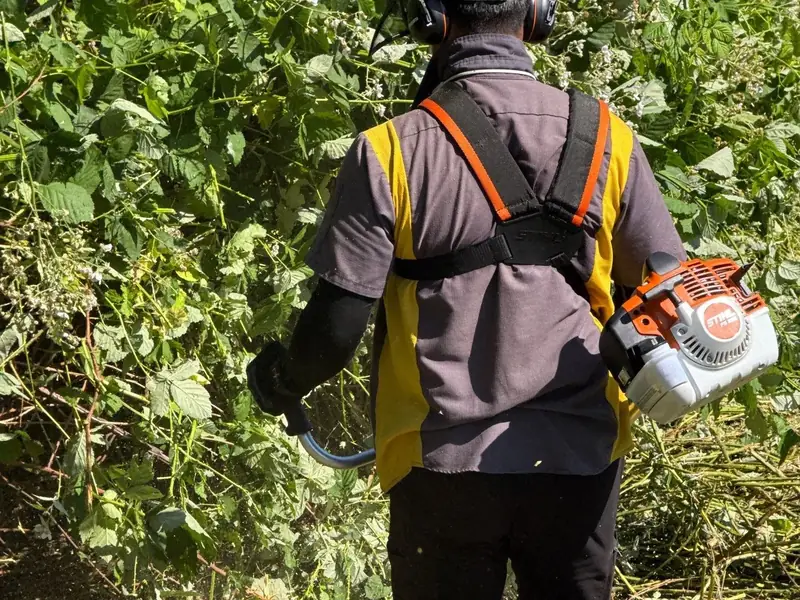
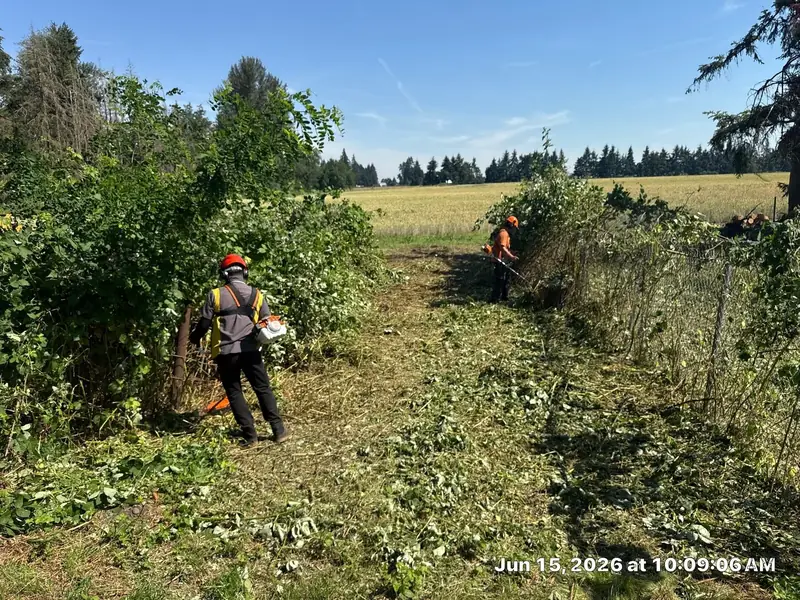
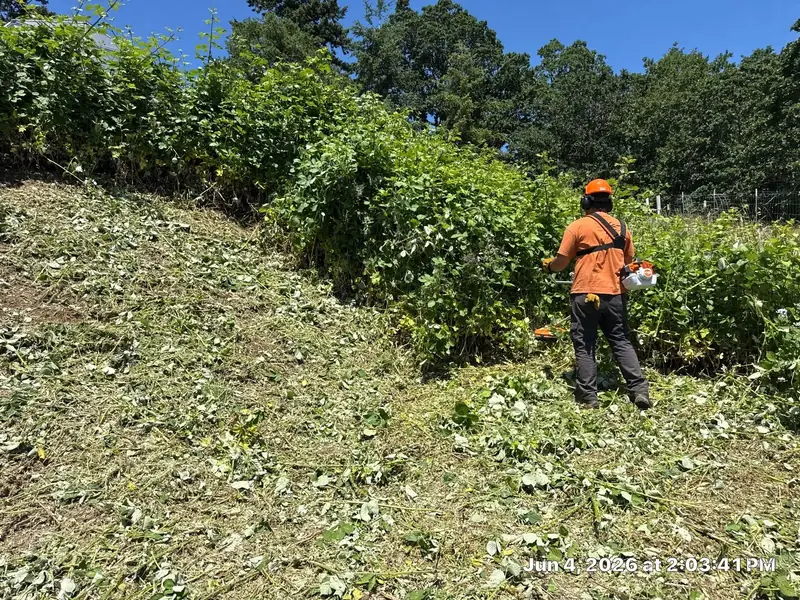
Recent blackberry removal projects across Salem and the Mid-Valley.
Our Clients Rate Us a Perfect 5 Stars
Blackberry Removal Across the Mid-Valley
Frequently Asked Questions
Why does blackberry keep coming back after I cut it down?
Himalayan blackberry regrows from its root system. Cutting the canes removes what you can see but leaves the roots intact. New shoots can appear within weeks, and without root treatment, the cycle repeats every season. Mowing alone will not kill an established stand.
How long does blackberry removal take?
Clearing and treatment can often be finished in one or two visits depending on how much has grown. Follow-up monitoring continues for two to three years to catch regrowth and seedlings before they take hold again.
What time of year is best for blackberry removal?
Treatment works best when the plant is actively growing and moving nutrients to the roots, typically late spring through early fall. Clearing can begin any time, and we adjust treatment timing based on when the project starts.
Can blackberry be removed without chemicals?
Mechanical removal alone rarely gets rid of an established infestation. The root system is too deep and too resilient. We follow OSU guidelines that combine clearing with targeted root treatment for lasting results. Repeated mowing every few weeks for several years can eventually kill a stand, but most property owners want faster results.
Will blackberry grow back from seeds in the soil?
Yes. Blackberry seeds stay viable in the soil for several years. Birds also spread seeds from neighboring properties. This is one reason follow-up monitoring matters. New seedlings are much easier to deal with than mature plants with developed roots.
What happens after the blackberry is removed?
Desirable plants that were buried under the canes often regrow on their own. For larger areas or heavily damaged sites, replanting with native species helps stabilize the soil and shades out blackberry seedlings. We can advise on next steps based on what the cleared area needs.
Related Services
Site Prep
Before construction, planting, or other projects can begin, your property must be clear of root systems, uneven ground, and other obstacles. Our team safely clears the site, creating safe, even ground for upcoming work.Learn More Site PrepBlackberry Removal Services in Salem, OR
A cleared property is easier to use, easier to maintain, and ready for the next phase of work. Noosh Stump Removal provides blackberry eradication in Salem, Oregon, and nearby communities, with root treatment and follow-up monitoring that keeps cleared areas from filling back in. Contact our team to request a quote.