Stump Removal
Stump Grinding vs. Full Stump Removal: How to Choose for Your Project
Stump grinding and full stump removal both get rid of a stump, but they suit different goals, and the right choice depends on what you plan to do with the space. Grinding is faster and less invasive; full removal takes out the roots for a truly open site. This guide gives property owners around Salem a decision framework based on the site's future use, not guesswork.
The core difference in one paragraph
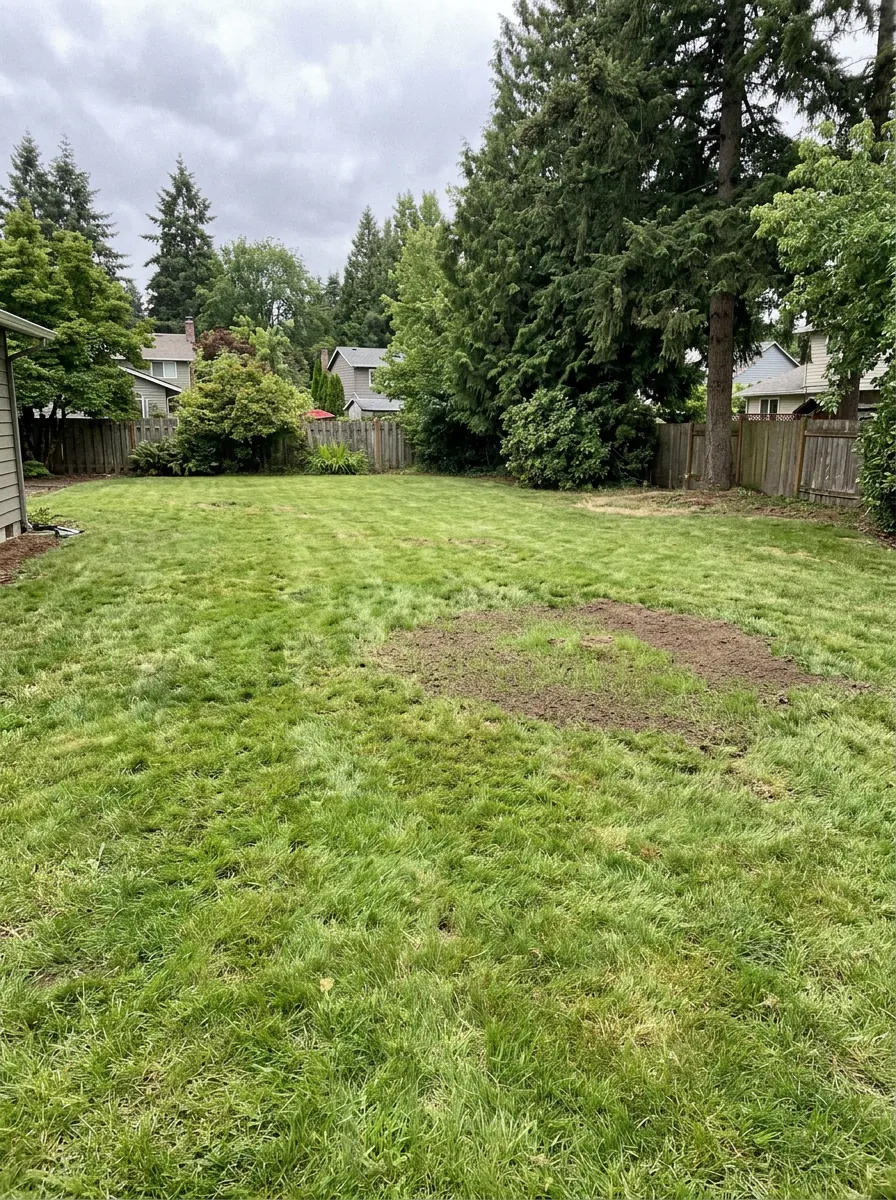
Stump grinding chips the stump 6 to 12 inches below grade and leaves the roots to decompose underground; full stump removal extracts the stump and its major root ball, leaving a hole that needs backfill. Grinding is quicker, less disruptive, and produces reusable wood chips. Full removal takes more time and heavier equipment but strips the ground of roots. Which one fits comes down to what you will build or plant on that spot.
When stump grinding is the right call
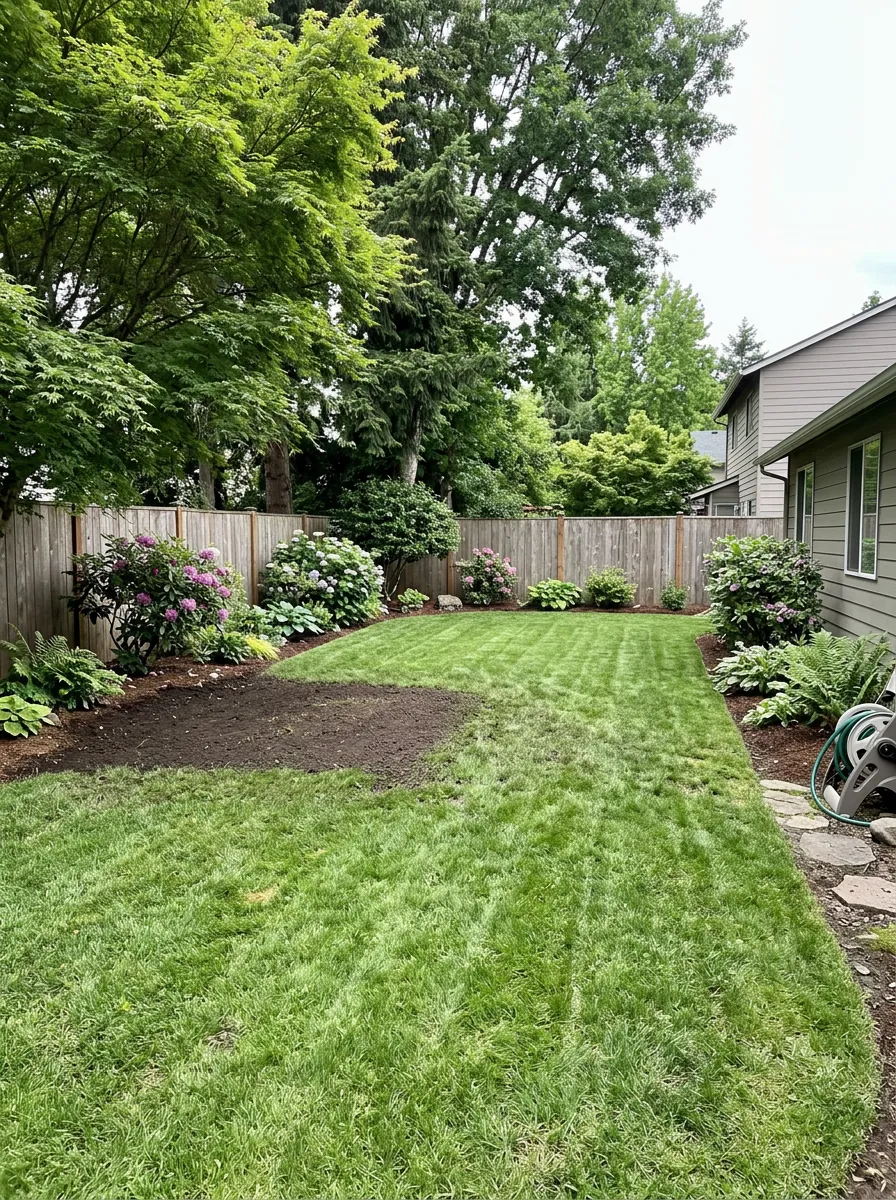
Grinding suits most residential situations where the goal is to get rid of a visible stump and reuse the area for lawn or general landscaping. It is faster, less expensive in labor and equipment, and far less disruptive to surrounding soil. Because grinding stays contained to the stump, it protects nearby tree roots and underground utilities that excavation could damage. The wood chips it produces work as mulch elsewhere on the property. For a stump you simply want gone under a lawn, grinding is usually the better fit.
When full removal is worth it
Full removal makes sense when the exact spot needs to be free of roots for a specific project. That includes building a structure, laying a patio or other hardscape, installing a pool, or replanting a tree in the same location. It also helps when an aggressive suckering species keeps sending up shoots from the roots. Removal is more invasive and leaves a hole to backfill, but it gives a clean, root-free site. For construction and hardscape installation, that clean base is worth the added work.
A simple decision framework
Use these pairings as a starting point:
Lawn or general landscaping: grind the stump.
Building or hardscape on the spot: remove the stump and roots.
Replanting a tree in the same hole: remove the stump and roots.
Preserving nearby trees or utilities: grind to avoid disturbing roots.
Speed and minimal disruption: grind the stump.
What happens to the roots if I only grind?
Grinding leaves the roots in the ground to decompose slowly over years. For most lawns and gardens that is no problem, but it does mean the area is not immediately ready for construction, and some species may sprout from remaining roots. Our companion guide on what happens to tree roots after stump grinding covers decomposition timelines and suckering in detail.
Grinding and removal compared at a glance
Several factors separate the two methods, and weighing them together points to the right choice. Grinding wins on speed, cost of labor, and minimal site disruption, and it protects nearby roots and utilities. Full removal wins on site readiness, because it leaves root-free ground for building or replanting. The trade-offs line up consistently:
Speed: grinding finishes most residential stumps in an hour or two; full removal can take half a day or longer.
Site disruption: grinding stays contained; removal excavates a wide area and leaves a hole.
Nearby trees and utilities: grinding protects them; excavation can damage surrounding roots and lines.
Future construction: removal clears the way; grinding leaves roots that block it.
Cleanup byproduct: grinding yields reusable wood chips; removal produces debris and backfill needs.
Reading the list top to bottom, one pattern stands out: grinding suits reuse of a space for lawn or garden, while removal suits a site headed for a structure, hardscape, or a replacement tree.
Not sure which your project needs?
Noosh grinds and fully removes stumps across Salem, Keizer, and the Marion and Polk county areas, and helps match the method to your plans for the space. Request a free stump removal estimate and get a straight recommendation.
Frequently Asked Questions
Can I build a patio or shed where a stump was ground?
Not right away. Grinding leaves roots underground that decompose over years, and the soil settles as they break down. For a patio, shed, or other hardscape, full stump and root removal gives the stable, root-free base that structures need.
Does grinding kill the roots?
Grinding removes the stump but leaves the roots in the ground. The roots stop supporting the tree and begin decomposing, though some suckering species can send up shoots for a time. Full removal is the option that takes the roots out entirely.
Will the stump grow back after grinding?
Most ground stumps do not regrow, but certain suckering species can push up new shoots from the remaining roots. Repeated removal of those shoots exhausts the roots over time, or full extraction eliminates the source.
How deep does grinding go?
Stump grinding typically reaches 6 to 12 inches below the soil surface. That is enough to drop the stump below grade for a lawn or landscaping, but it leaves the wider root mass in place beneath and around the original stump.
Need help with stump removal?
Noosh Stump Removal handles stump removal across Salem and the Mid-Willamette Valley. See our stump removal service or get an estimate for your property.