Wildfire Mitigation · Mount Angel, OR
Wildfire Mitigation in Mount Angel, OR for Homes and Rural Properties
Wildfire mitigation in Mount Angel, OR, focuses on reducing dry vegetation and other fuels around your home. Local properties sit among farmland, field edges, rural acreage, and developed areas in the Pudding River valley. Fuel reduction here can look different from work on heavily forested properties.


Get an Estimate
Tell us about your property. We actually call you back.
Noosh Stump Removal provides wildfire mitigation services for homeowners and property managers in Mount Angel, OR. We assess vegetation near structures and identify areas where seasonal fuels have accumulated.
Mount Angel Has a Different Wildfire Landscape
Mount Angel sits in a largely agricultural part of the Willamette Valley. The surrounding land supports crops including berries, Christmas trees, seed crops, and grains. Mount Angel Butte provides one of the area’s main changes in elevation.
These conditions make dry grass, field-edge vegetation, brush, and accumulated plant material important parts of local fuel management. Properties beside agricultural land may also have fence lines, outbuildings, access routes, or unmanaged edges where vegetation builds up.
Mount Angel is identified as a city at risk in the Marion County Community Wildfire Protection Plan. The community was also placed under a Level 1 evacuation notice during the September 2020 fires, although the supplied local research documents no wildfire burning through the town itself.
Where Can Wildfire Fuel Build Up on Your Property?
Fuel can develop anywhere dry or dense vegetation creates a path toward buildings. On Mount Angel properties, these areas may be spread across a larger lot rather than concentrated within dense woodland.
We may look closely at:
- Dry grass beside homes, garages, and outbuildings
- Brush growing along fences and property boundaries
- Dead branches, leaves, and other plant debris
- Dense vegetation beside driveways or access routes
- Shrubs and plants growing close to structures
- Overgrown sections between maintained yards and agricultural land
Properties with heavier growth may also benefit from land clearing and brush removal. Clearing dense vegetation can reduce accumulated fuel while restoring access to areas that have become difficult to maintain.
How Do We Decide What Needs Attention First?
A property assessment helps separate higher-priority areas from vegetation that can be handled through routine maintenance. Noosh offers a Wildfire Readiness Audit that includes an in-person property walk-through and a written, prioritized report.
The assessment looks at vegetation around your home, fuel near structures, and places where fire could move across your property. It can also identify home-hardening concerns where embers may reach vulnerable parts of a building.
Oregon State Fire Marshal guidance divides defensible space into zones around a structure. The first five feet receive particular attention because combustible material close to a building can increase ignition exposure.
Fuel Reduction Continues After the First Clearing
Vegetation grows back, so wildfire preparation can require ongoing attention. Grass dries each summer again, shrubs continue growing, and plant debris can collect in areas that were previously cleared.
Our vegetation management services can help maintain areas addressed during initial mitigation. Regular management can focus on seasonal growth, ladder fuels, dead vegetation, and other material identified during a property assessment.
This approach is especially useful for larger lots where field margins, fence lines, and less-used sections can become difficult to monitor throughout the year.
Planning Around Mount Angel's Agricultural Setting
Wildfire preparation in Mount Angel should reflect the property in front of you. A rural home beside crop fields can have different priorities from a wooded acreage property farther toward Oregon’s foothills.
For some properties, fuel reduction may connect with future landscape changes. Our landscape renovation services can help when cleared areas need replanting or other landscape work as part of a broader outdoor project.
The Mt. Angel Fire District serves the local community, while Marion County’s Community Wildfire Protection Plan provides broader planning context for wildfire risk and preparedness.
Why Choose Noosh
Firefighter-Led Assessment
A certified mitigation specialist and former wildland firefighter evaluates the property in person, reading how fire actually moves through the specific vegetation on site. The plan targets real ignition points based on that assessment.
Twenty Years in the Mid-Valley
Two decades of work across Marion and Polk counties built familiarity with the vegetation, seasonal fire behavior, and terrain specific to this region. Every recommendation on the report reflects that regional experience.
Full Service From Audit to Cleanup
One team handles the Wildfire Readiness Audit, the clearing, the brush removal, and the follow-up maintenance. A property owner works with a single point of contact from start to finish.
Our Work
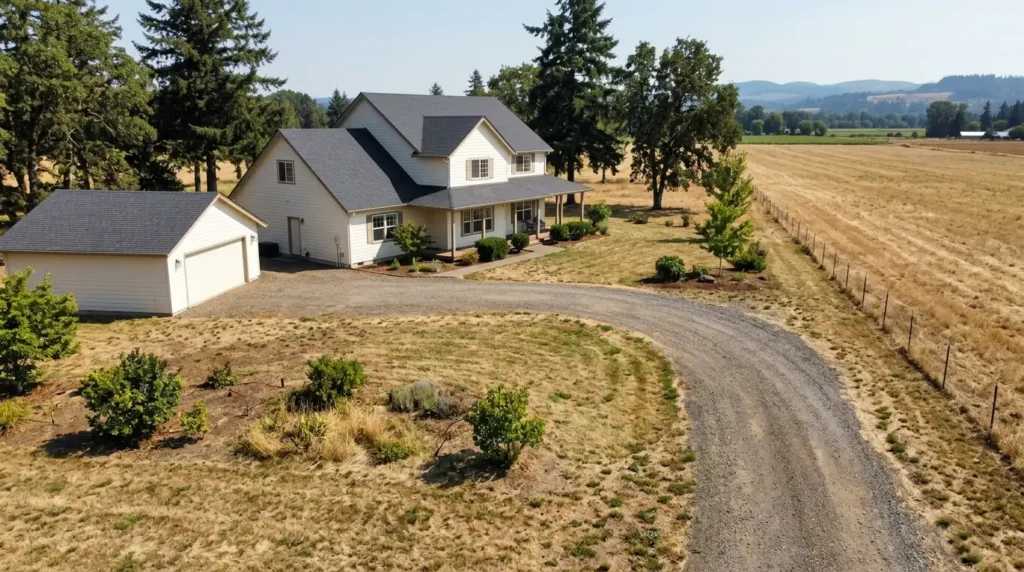
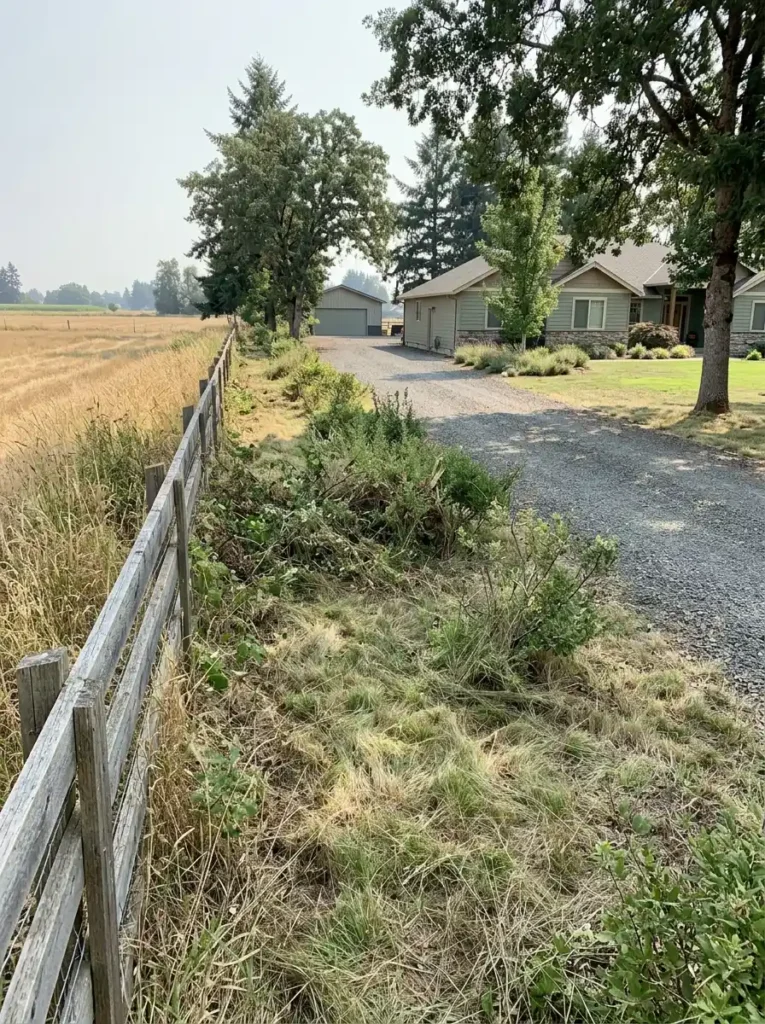
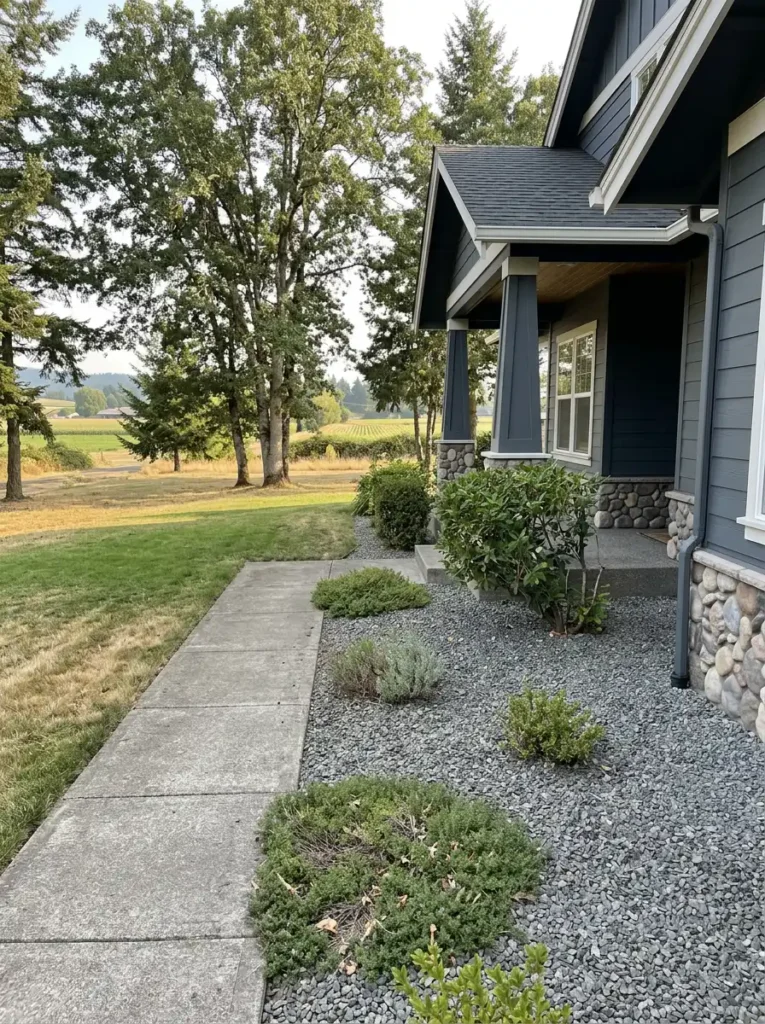
Recent wildfire mitigation work around Mount Angel and the Mid-Valley.
Our Clients Rate Us a Perfect 5 Stars


Wildfire Mitigation Near Mount Angel, OR
FAQs About Wildfire Mitigation in Mount Angel
Mount Angel’s agricultural surroundings create different questions from communities surrounded by dense forest. These answers focus on common fuel concerns around local homes and rural properties.
What is defensible space around a Mount Angel home?
Defensible space is the managed area around your home where combustible vegetation and other fuels are reduced. Oregon guidance places the greatest attention on the area closest to the structure.
Can dry grass increase wildfire fuel?
Yes. Dry grass can carry fire across open ground and toward other vegetation or structures. Cutting and managing seasonal growth can reduce the amount of dry fuel around developed areas.
Do agricultural properties still need wildfire mitigation?
Some do. The need depends on the vegetation, structures, neighboring land, and fuel conditions on the individual property. Agricultural surroundings can create different concerns than forestland, especially where dry seasonal vegetation collects near buildings.
How often should vegetation be managed?
The schedule depends on how quickly vegetation grows and dries on your property. Areas cleared once may need follow-up maintenance as grass, brush, and other plants return.
What does a Wildfire Readiness Audit look for?
The audit reviews wildfire risks across your property and ranks them by priority. You receive a written report identifying areas that may need vegetation management, defensible-space work, or other mitigation measures.
Related Services
Wildfire Readiness Audit
Noosh's Wildfire Readiness Audit gives Salem, OR homeowners a prioritized, written wildfire risk report from a certified specialist and former wildland firefighter.Learn More Wildfire Readiness AuditDefensible Space
Noosh builds and maintains wildfire defensible space zones for Salem, OR homes across the Mid-Willamette Valley and WUI, guided by a former wildland firefighter.Learn More Defensible SpaceHome Hardening
Noosh identifies wildfire home hardening priorities for Salem, OR properties across the Mid-Willamette Valley and WUI as part of a Wildfire Readiness Audit.Learn More Home HardeningVegetation Management
Noosh provides ongoing wildfire vegetation management for Salem, OR properties across the Mid-Willamette Valley and WUI, scheduled by a former wildland firefighter.Learn More Vegetation ManagementPrepare Your Mount Angel Property for the Dry Season
Reducing dry vegetation around your home can interrupt fuel paths before summer conditions arrive. A property-specific plan also helps you focus your time and budget on the areas with the greatest need.
Noosh Stump Removal provides wildfire mitigation in Mount Angel, OR, for residential and rural properties. Call or text (503) 836-8815 to arrange a property visit and request an estimate.